Low Thyroid Goes Undiagnosed- Know the Causes of Hypothyroidism 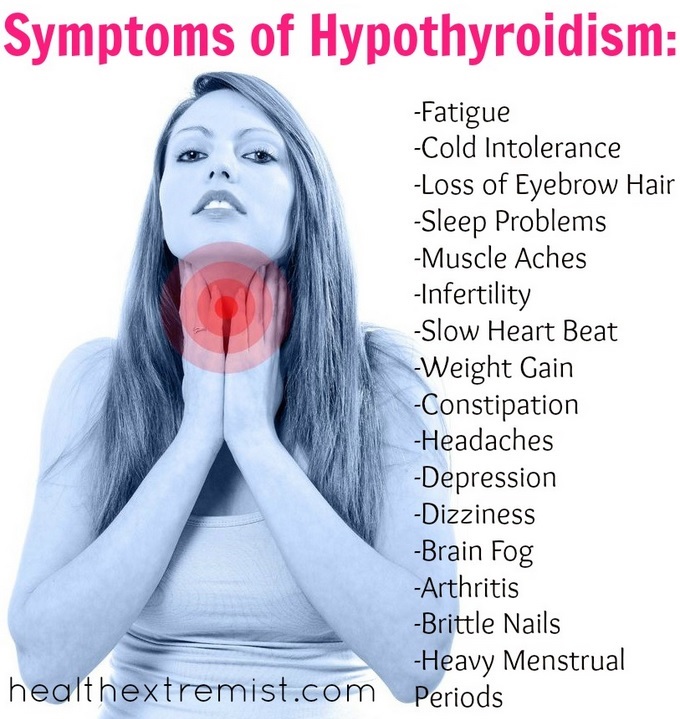
My Experience with Hypothyroidism
Two years ago I was on a vegan diet and was a busy graduate student, but I had a hard time keeping up with my schedule because I was tired all the time. I went to the naturopathic doctor looking for answers and had my blood tested. He found that I was slightly hypothyroid. The reason I had a slightly low thyroid level was because I was not getting enough protein. This was the reason I was not only tired all the time, but super sensitive to the cold. As soon as I improved my diet I found that my energy improved and I even found that I slept better. I didn’t realize that your diet could be one of the causes of hypothyroidism.
An under-active thyroid or hypothyroidism is very common and becoming a widespread health concern. It affects both men and women, but is more common for women. The thyroid gland is very important as it produces hormones that affect every cell in the human body. It is integral to production of energy (metabolism) and the hormones support the proper functioning of the organs, including the heart, musculoskeletal system and brain. Hypothyroidism can increase the risk for heart disease, cancer, infertility, depression or other conditions.
Thyroid Testing
Many people don’t realize that they are suffering from thyroid problems. Doctors test thyroid levels, but are using routine thyroid tests with a range that is too high and miss detecting a low thyroid in many patients. Many doctors are not considering the 2003 guidelines recommended by the American Association of Clinical Endocrinologists (AACE) of a smaller target range, TSH level of .3 to 3.0. and because of this, patients outside this range with low thyroid are told they are normal. This is why it is important to keep track of how you feel and what your symptoms are.
Why are Thyroid Problems Becoming an Epidemic?
Some researchers attribute it to the amount of toxins in the environment such as PCBs, dioxin, perchloare, lead and mercury. Environmental Health Perspectives has noted (2012) hormone-disrupting chemicals such as flame retardants and stain repellents in connection with underactive thyroid. Radiation also is considered as one of the most important environmental causes for the increase in hypothyroidism, other thyroid problems, tumors and thyroid cancer.
Symptoms of Low Thyroid:
Could thyroid problems be affecting your health? If you have loss of energy and are often fatigued this could be a sign that you may be hypothyroid. Other symptoms are: dry skin, slow heart rate, weight gain (although not everyone), cold intolerance, brain fog, constipation, muscle aches, migraines, headaches, sleep problems, depression, anxiety and dizziness.
Although weight gain is often associated with low thyroid, many times people with low thyroid can be underweight. Often the weight gain is due to water not fat. It has been noted that people with low thyroid can drink a lot of liquids and not need to urinate much.
What are the Causes of Hypothyroidism?
Two most common causes of Hypothyroidism:
One of the most common causes of low thyroid is Hashimoto’s disease. It is an autoimmune disease in which antibodies attack the thyroid. A blood test can reveal antibodies which help diagnosis the disease. Most often women are affected. Risk factors include a family history of thyroid problems. The other common cause of hypothyroidism is treatment for hyperthyroidism (overactive thyroid gland).
What can slow your thyroid functioning and contribute to hypothyroidism?
Iodine deficiency
Another cause of hypothyroidism, in addition to aging, is iodine deficiency. The body doesn’t make iodine, but getting enough in the U.S. diet in the past was not a problem due to consumption of iodized table salt. However, recent findings by the FDA have noted that table salt has been found to have lower iodine quantities. This coupled with the fact that many restrict salt intake poses a risk for iodine deficiencies.
Medications
Some medications can also slow the thyroid, such as lithium, corticosteroids, and amiodarone which is used for cardiac conditions. Other medications which may contribute to hypothyroidism or cause sensitivity in people with slow thyroid include antihistamines and medications that make you tired which slow your metabolism.
Fluoride
It has been widely reported that fluoride can be damaging to thyroid function. Both fluoride in toothpastes, rinses and water can block iodine receptors and contribute to slowing the thyroid gland. Fluoride negatively changes enzymes, which are proteins in the body. What is most disturbing is that even small amounts have been found to affect thyroid functioning. Fluoride is cumulative which means the older you get the more fluoride builds up in your body. Small children are especially at risk for problems related to fluoride, particularly concerning is that they often ingest more fluoride when brushing. Brushing with baking soda is a great alternative!
Soy (see list of goitrogens)
Be careful about consuming soy as there are many reports on the negative effects of soy on thyroid function. Soy is in the food category of goitrogens, foods that negatively affect thyroid function by inhibiting thyroid hormones. Some of these foods have been found to slow thyroid function and even trigger thyroid problems. Additionally, soy contains isoflavones, a chemical which has been found to suppress thyroid function.
Dieting
Any diets which restrict foods enough to result in a dangerous loss of energy may be detrimental to your thyroid. When your body is starving for food constantly your metabolism is slowed. This suppresses thyroid function.
Stress
Anxiety and stress can negatively affect your cortisol levels, weaken the immune system and result in hormonal imbalances. If stress is chronic the adrenal glands are in overdrive making cortisol. This prevents good sleep and hormonal imbalance will result. Excess estrogen caused by increasing cortisol levels also can result in hypothyroid symptoms.
Foods that May Slow Your Thyroid
Although many of these are healthy foods, you may want to limit foods called goitrogens or at least make sure you don’t eat them in excess. Some sources note that cooking removes most anti-thyroid properties; however, how much is not confirmed. It may be prudent to avoid eating these foods raw in excess. Some of these are only mildly goitrogenic such as spinach, peaches and strawberries.
Research suggests goitrogens may suppress thyroid function by interfering with iodine uptake – in essence, slowing the thyroid’s absorption of iodine.
Goitrogenic Foods:
Things you can do for thyroid health
Eat selenium rich food such as seafood, eggs, garlic, onions, sunflower seeds and mushrooms. Turkey, chicken and beef also contain selenium and are good protein.
Eat healthy meals making sure you have protein with every meal. Reduce blood sugar spikes, by decreasing the amount of simple carbohydrates (sugar and refined flour) or avoid these if possible as these will slow metabolism.
Foods with iodine to add to your diet are: dairy products such as milk, yogurt and cheese, saltwater fish.
Coconut oil and coconut butter are great, they can help boost the thyroid. I use coconut oil in the frying pan with everything.
Many people with thyroid autoimmunity (Hashimoto) have found improvement when going on a gluten-free diet. It can sometimes aide in reducing antibodies. Gluten can be problematic as the protein structure of gluten, gliadin, is similar to the protein in the thyroid gland and for those that have the autoimmune condition this causes the body to attack the thyroid. Going on this diet may be worth a try as many people are gluten sensitive and it has been found to improve overall health.
Keep pesticide consumption minimal, eat organic when possible.
Eat healthy fats such as avocado and olive oil.
Make sure you drink a lot of water (free of fluoride).
Exercise at least 3 times a week, regular walks are great!
Get adequate sleep of at least 8 hours a night for your adrenal glands.
Sources:
http://www.naturalnews.com/026853_thyroid_hypothyroidism_weight.html
http://www.lef.org/magazine/mag2011/oct2011_The-Silent-Epidemic-of-Iodine-Deficiency_01.htm 2
http://articles.mercola.com/sites/articles/archive/2011/08/13/fluoride-and-thyroid-dysfunction.aspxhttp://www.stopthethyroidmadness.com/fluoride-and-your-thyroid/http://www.stopthethyroidmadness.com/goitrogens/
My Experience with Hypothyroidism
Two years ago I was on a vegan diet and was a busy graduate student, but I had a hard time keeping up with my schedule because I was tired all the time. I went to the naturopathic doctor looking for answers and had my blood tested. He found that I was slightly hypothyroid. The reason I had a slightly low thyroid level was because I was not getting enough protein. This was the reason I was not only tired all the time, but super sensitive to the cold. As soon as I improved my diet I found that my energy improved and I even found that I slept better. I didn’t realize that your diet could be one of the causes of hypothyroidism.
An under-active thyroid or hypothyroidism is very common and becoming a widespread health concern. It affects both men and women, but is more common for women. The thyroid gland is very important as it produces hormones that affect every cell in the human body. It is integral to production of energy (metabolism) and the hormones support the proper functioning of the organs, including the heart, musculoskeletal system and brain. Hypothyroidism can increase the risk for heart disease, cancer, infertility, depression or other conditions.
Thyroid Testing
Many people don’t realize that they are suffering from thyroid problems. Doctors test thyroid levels, but are using routine thyroid tests with a range that is too high and miss detecting a low thyroid in many patients. Many doctors are not considering the 2003 guidelines recommended by the American Association of Clinical Endocrinologists (AACE) of a smaller target range, TSH level of .3 to 3.0. and because of this, patients outside this range with low thyroid are told they are normal. This is why it is important to keep track of how you feel and what your symptoms are.
Why are Thyroid Problems Becoming an Epidemic?
Some researchers attribute it to the amount of toxins in the environment such as PCBs, dioxin, perchloare, lead and mercury. Environmental Health Perspectives has noted (2012) hormone-disrupting chemicals such as flame retardants and stain repellents in connection with underactive thyroid. Radiation also is considered as one of the most important environmental causes for the increase in hypothyroidism, other thyroid problems, tumors and thyroid cancer.
Symptoms of Low Thyroid:
Could thyroid problems be affecting your health? If you have loss of energy and are often fatigued this could be a sign that you may be hypothyroid. Other symptoms are: dry skin, slow heart rate, weight gain (although not everyone), cold intolerance, brain fog, constipation, muscle aches, migraines, headaches, sleep problems, depression, anxiety and dizziness.
Although weight gain is often associated with low thyroid, many times people with low thyroid can be underweight. Often the weight gain is due to water not fat. It has been noted that people with low thyroid can drink a lot of liquids and not need to urinate much.
What are the Causes of Hypothyroidism?
Two most common causes of Hypothyroidism:
One of the most common causes of low thyroid is Hashimoto’s disease. It is an autoimmune disease in which antibodies attack the thyroid. A blood test can reveal antibodies which help diagnosis the disease. Most often women are affected. Risk factors include a family history of thyroid problems. The other common cause of hypothyroidism is treatment for hyperthyroidism (overactive thyroid gland).
What can slow your thyroid functioning and contribute to hypothyroidism?
Iodine deficiency
Another cause of hypothyroidism, in addition to aging, is iodine deficiency. The body doesn’t make iodine, but getting enough in the U.S. diet in the past was not a problem due to consumption of iodized table salt. However, recent findings by the FDA have noted that table salt has been found to have lower iodine quantities. This coupled with the fact that many restrict salt intake poses a risk for iodine deficiencies.
Medications
Some medications can also slow the thyroid, such as lithium, corticosteroids, and amiodarone which is used for cardiac conditions. Other medications which may contribute to hypothyroidism or cause sensitivity in people with slow thyroid include antihistamines and medications that make you tired which slow your metabolism.
Fluoride
It has been widely reported that fluoride can be damaging to thyroid function. Both fluoride in toothpastes, rinses and water can block iodine receptors and contribute to slowing the thyroid gland. Fluoride negatively changes enzymes, which are proteins in the body. What is most disturbing is that even small amounts have been found to affect thyroid functioning. Fluoride is cumulative which means the older you get the more fluoride builds up in your body. Small children are especially at risk for problems related to fluoride, particularly concerning is that they often ingest more fluoride when brushing. Brushing with baking soda is a great alternative!
Soy (see list of goitrogens)
Be careful about consuming soy as there are many reports on the negative effects of soy on thyroid function. Soy is in the food category of goitrogens, foods that negatively affect thyroid function by inhibiting thyroid hormones. Some of these foods have been found to slow thyroid function and even trigger thyroid problems. Additionally, soy contains isoflavones, a chemical which has been found to suppress thyroid function.
Dieting
Any diets which restrict foods enough to result in a dangerous loss of energy may be detrimental to your thyroid. When your body is starving for food constantly your metabolism is slowed. This suppresses thyroid function.
Stress
Anxiety and stress can negatively affect your cortisol levels, weaken the immune system and result in hormonal imbalances. If stress is chronic the adrenal glands are in overdrive making cortisol. This prevents good sleep and hormonal imbalance will result. Excess estrogen caused by increasing cortisol levels also can result in hypothyroid symptoms.
Foods that May Slow Your Thyroid
Although many of these are healthy foods, you may want to limit foods called goitrogens or at least make sure you don’t eat them in excess. Some sources note that cooking removes most anti-thyroid properties; however, how much is not confirmed. It may be prudent to avoid eating these foods raw in excess. Some of these are only mildly goitrogenic such as spinach, peaches and strawberries.
Research suggests goitrogens may suppress thyroid function by interfering with iodine uptake – in essence, slowing the thyroid’s absorption of iodine.
Goitrogenic Foods:
- Broccoli, cabbage, cauliflower, brussel sprouts, kale, mustard, radishes, rutabagas, soy, mustard greens, canola oil.
- Mildly goitrogenic include: millet, peaches, peanuts, pears, pine nuts, spinach, strawberries, sweet potatoes.
Things you can do for thyroid health
Eat selenium rich food such as seafood, eggs, garlic, onions, sunflower seeds and mushrooms. Turkey, chicken and beef also contain selenium and are good protein.
Eat healthy meals making sure you have protein with every meal. Reduce blood sugar spikes, by decreasing the amount of simple carbohydrates (sugar and refined flour) or avoid these if possible as these will slow metabolism.
Foods with iodine to add to your diet are: dairy products such as milk, yogurt and cheese, saltwater fish.
Coconut oil and coconut butter are great, they can help boost the thyroid. I use coconut oil in the frying pan with everything.
Many people with thyroid autoimmunity (Hashimoto) have found improvement when going on a gluten-free diet. It can sometimes aide in reducing antibodies. Gluten can be problematic as the protein structure of gluten, gliadin, is similar to the protein in the thyroid gland and for those that have the autoimmune condition this causes the body to attack the thyroid. Going on this diet may be worth a try as many people are gluten sensitive and it has been found to improve overall health.
Keep pesticide consumption minimal, eat organic when possible.
Eat healthy fats such as avocado and olive oil.
Make sure you drink a lot of water (free of fluoride).
Exercise at least 3 times a week, regular walks are great!
Get adequate sleep of at least 8 hours a night for your adrenal glands.
Sources:
http://www.naturalnews.com/026853_thyroid_hypothyroidism_weight.html
http://www.lef.org/magazine/mag2011/oct2011_The-Silent-Epidemic-of-Iodine-Deficiency_01.htm 2
http://articles.mercola.com/sites/articles/archive/2011/08/13/fluoride-and-thyroid-dysfunction.aspxhttp://www.stopthethyroidmadness.com/fluoride-and-your-thyroid/http://www.stopthethyroidmadness.com/goitrogens/

No comments:
Post a Comment