Rosacea
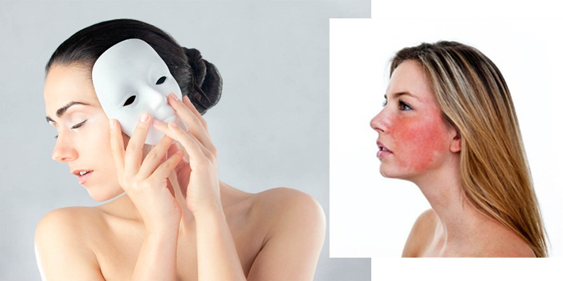 Rosacea is a common skin condition that mostly affects the skin on the face causing redness and at times producing red bumps that are filled with pus. Even though this condition can affect anyone, it is most common in middle aged women with fair skin.
Left untreated, this condition worsens over time. The signs and symptoms may occur for weeks and even months and disappear before occurring again. It is easy to mistake this condition for acne, a skin problem or an allergic reaction.
Currently, there is no known cure for the condition. However, there are treatments that can be used to control or reduce the symptoms. In case you experience redness that persists, consult with your doctor for diagnosis and treatment.
What Are the Symptoms of Rosacea?
Progressive Stage
- Stage 1
This stage is characterized by flushing and intermittent redness on the face.
- Stage 2
This stage is characterized by persistent redness on nose, cheeks, forehead and chin.
- Stage 3
It is characterized by small pus filled bumps that are red in color. Small blood vessels that look like thin, red lines known as telangiectasia also appear.
- Stage 4
This stage is characterized by red bumps and skin thickening around the nose.
Common Rosacea Symptoms
- Facial redness
The facial skin turns red to look like a blush or sunburn. It is caused by flushing which takes place when there is excessive blood flowing rapidly through the blood vessels on the skin, causing the vessels to enlarge to accommodate the flow. Eventually, the redness becomes more noticeable and lingers on. The facial skin may become dry from this.
- Red line on the face
Facial flushing or blushing may cause the blood vessels to expand and eventually become visible through the skin. These blood vessels appear as small red lines on the face, mostly on the cheeks. These lines mostly appear after the redness on the face fades.
- Papules or pimples
Pus filled pimples, or small, solid, red papules can start showing on the face. These are similar to the ones common in adolescent acne.
- Irritation of eye
At least half the people with rosacea develop red eye, which is characterized by irritation. However, the involvement of the eye is rare. However, it can affect vision when left untreated.
- Bumps on the nose
When rosacea is not treated, it creates small, bumps on the nose area, and this causes the nose to look swollen. This symptom is common among men and is referred to as rhinophyma.
When to See a Doctor
In case of a persistent face blush, contact your doctor immediately. Also, contact your doctor if you notice persistent pimples and red, scaly blotches on your complexion. It is important to call your doctor if you notice the redness and it is not caused by sunburn or blush. Misdiagnosing rosacea is easy and can be passed for acne. Using non-prescription acne treatment can make it worse by causing skin irritation due to the sensitivity and dryness that comes with rosacea.
What Are the Causes and Risk Factors of Rosacea?
While the causes of this condition remain unknown, it can be caused by a combination of environment and hereditary factors. Some factors that can cause this condition include:
Risk Factorsof Rosacea | |
Genetics | Most people who develop rosacea come from families with members suffering from the condition. Rosacea genes can be inherited. |
Immune system problems | This can be caused by the bacillus oleronius bacterium which causes the immune system to overreact and possibly cause rosacea. |
Parasite in intestine | The H Pylori bug is common amongst rosacea patients. Even so, it is not conclusive as to whether it leads to rosacea. |
Demodex mite | This is a mite than lives on the cheeks and nose which are the common areas affected by rosacea. People with rosacea have a lot of demodex on their skin. |
Age | Rosacea is common amongst individuals between 30 and 50 years of age. |
Sex | Women are more prone to develop rosacea than men. However, men are more likely to suffer from severe rosacea. |
Skin type | Fair skinned people are more likely to suffer from rosacea. Blonde hair and blue eyed people are also common victims. |
What Are the Treatments of Rosacea?
Currently, there is no known cure for rosacea. Also, there is nothing one can do to prevent the condition. Even so, treatments are easy to come by. The types of treatments that can be used vary based on the symptoms. Over time, the treatment option may be adjusted based on how your skin responds to treatment and if new symptoms develop.
1. Common solutions
- Try moisturizing cream
If you have dry skin, you can go for non-perfumed and non-greasy moisturizing cream. Avoid steroid based creams or abrasive creams.
- Use sunscreen cream
Protect your face from strong sunlight as it makes the symptoms worse. Use a sunscreen cream with a high protection factor, possibly 30 and above. Also, the cream should have UVA and UVB protection.
2. For Facial Redness
- Avoid irritating ingredients
Avoid cleansers containing alcohol, exfoliant and abrasive preparations. Also, avoid waterproof or oil based makeup, sunblock that are perfumed and those than have insect repellants.
- Use camouflage creams
These types of creams help in covering the rosacea symptoms.
- Laser therapy
This therapy makes use of bright laser lights that can destroy the small blood vessels under the facial skin without causing damage to nearby tissues.
3. For Flushing
Here are some triggers:
- Excessive heat
- Sunlight
- Hot drinks.
- Alcohol drinks
- Spicy food
- Strenuous exercise
- Stress
Any of these can trigger excessive flushing. If you find any of the above to be a trigger, you should avoid them.
Medication used to treat other conditions can lead to facial flushing. Calcium channel blockers are common triggers of facial flushing. If you find that medication is causing facial flushing, talk to your doctor to find alternative medicine.
4. For Papules & Pimples
- Certain antibiotics
These work well even though scientists have not yet connected how they work because there is no proven bacterium that causes rosacea. Some antibiotics work to reduce inflammation and kill bacteria.
- Topical azelaic acid
This can be used to treat mild and moderate spots. However, it can have side effects in some people. Side effects include burning, itching, stinging, dry skin and scaling.
5. For Bumps on Nose
- Surgical and laser treatment
This helps in trimming back the thickening of the skin around the nose area.
6. For Irritation of Eyes
- Artificial tear
If you experience dry eyes, the use of artificial tears can work.
- Regular eyelid hygiene
This will reduce eyelid inflammation.
- Antibiotic
This helps in relieving the eye condition.
- Eye specialist
If the symptoms persist or a serious eye problem occurs, you will need to see an eye specialist. You may be advised to use steroid drops to treat cornea inflammation.
For more information on rosacea and how to treat it, watch this video:
Home Remedies for Rosacea
- Green tea
Rubbing green tea over the affected facial area can be a great way of treating rosacea at home. Green tea contains natural soothing power that helps to heal rosacea.
- Tea tree oil
This is a strong source of anti-inflammatory and antiseptic properties known to cause rosacea. You can apply the oil directly to the affected area using your index finger.
- Oatmeal
It helps to sooth itchiness and reduces redness. It also works as an anti-inflammatory agent in the healing process. Mix 2 tablespoons of oatmeal in a little water and rub on the affected area.
- Apple cider vinegar
This also contains anti-inflammatory properties, which are known to heal rosacea. It helps in balancing the body PH level and also has other health benefits. You can choose to put two spoons of the vinegar in your drinking water, or you can rub it directly to the affected area.

No comments:
Post a Comment